
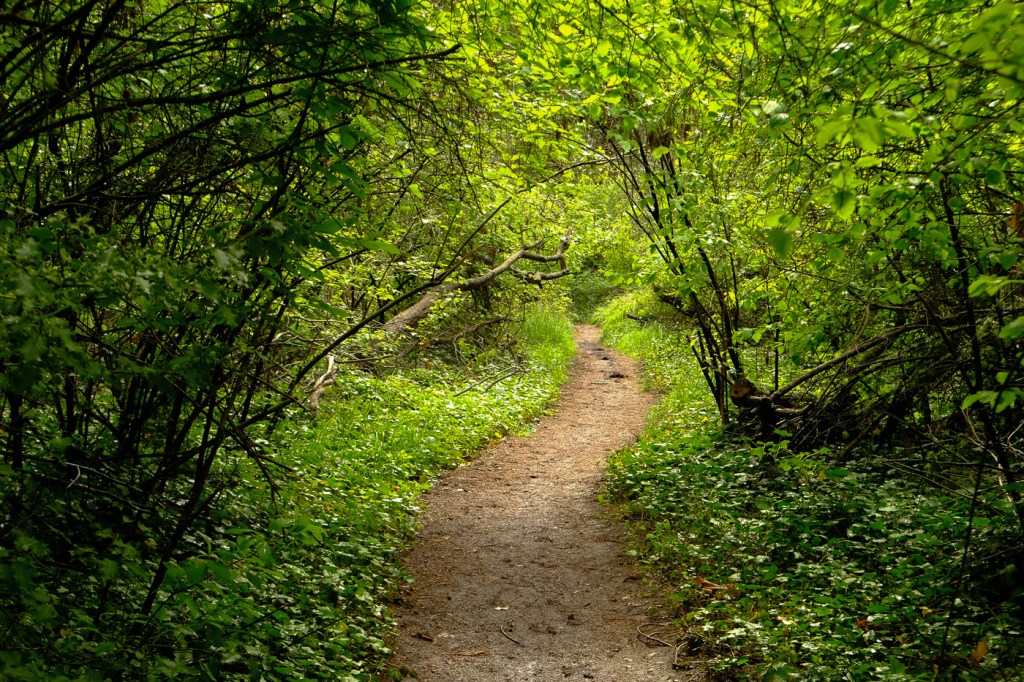
Images from Haro Woods near the University of Victoria, by the author
Living in Kamloops BC from 2016 till 2022 I was often reminded of the region’s close connections to the rest of Canada, even before “Canada” existed.
The word “Kamloops” is the English translation of the Shuswap word Tk’emlúps, meaning ‘where the rivers meet,’ and for centuries has been the home of the Tk’emlupsemc, ‘people of the confluence.’ Tk’emlúps has always occupied a place of great economic importance in our region. Traversed by two major waterways (the Thompson and North Thompson rivers), traditional Tk’emlupsemc territory was the center of major traffic and trade routes prior to, and following contact with settlers.
As rail travel extended west in the nineteenth century, both for freight and passenger service two major lines, the Canadian Pacific Railway and Canadian National Railway met and passed through Kamloops. Now major streams of fibre optic digital cable systems pass through the region.
Dubbed by many as “brown, with trains” Kamloops has a semi-arid, rain-shadow type climate. It is surrounded, however, by forest cover in all four directions, ranging from sparsely forested ranch land to the south and west, to the dense lush forests of the North Thompson and Shuswap regions.


To most eyes, the forests are simply there, a biosphere providing nourishment, cover, and habitat for all sorts of human and non-human flora and fauna. What is less understood is how the trees in the forest communicate with each other and provide life-giving support. Trees talk, not through human language, but in a manner proper to their creation and given their creative potential.
Who knew—certainly not me—so imagine my delight in discovering the work of #UBCForestry professor Dr. Suzanne Simard who has been named to the TIME100 Most Influential People list!
Human beings may pride themselves on the buried webs of wire and fibre-optic cables that allow far-flung populations to keep in touch, but the trees beat us to it—by many millions of years. That is the revolutionary finding of Suzanne Simard, professor of forest ecology at the University of British Columbia, and the author of Finding the Mother Tree.

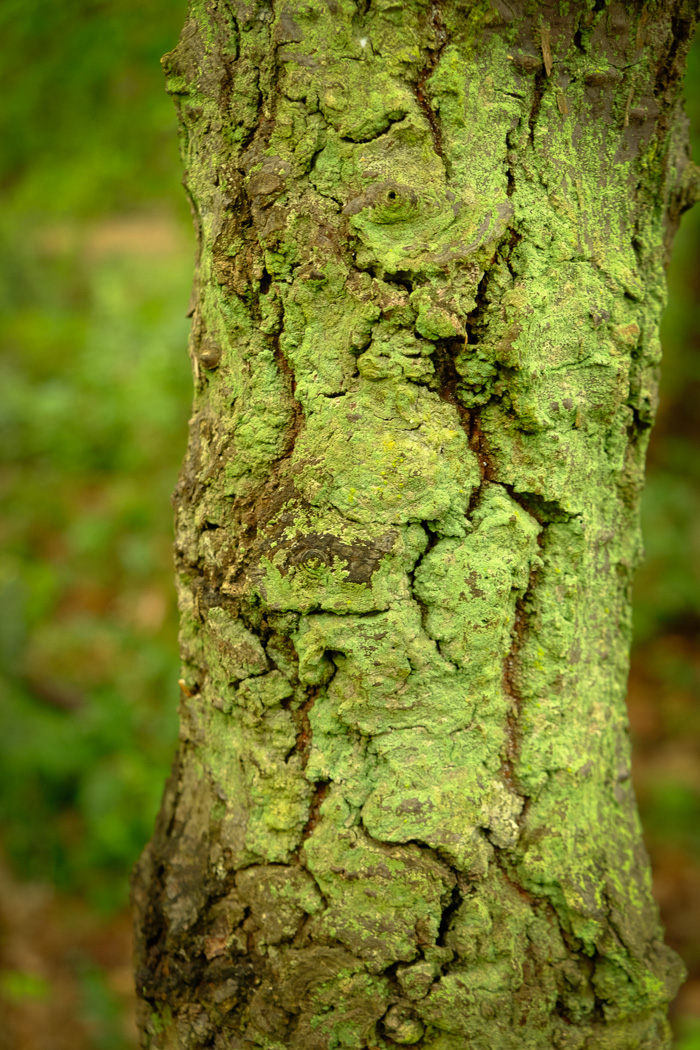
Deep beneath the forest floor, Simard has found, trees communicate via vast networks of mycorrhizal fungi, using those symbiotic life forms to help them share nutrients and even communicate information about threats such as disease and drought.
Her TED talks have been viewed more than 10 million times, and her 200-plus peer-reviewed articles have deeply informed the thinking of conservationists and environmentalists working to help preserve forests in a world ever more threatened by climate change and wildfires.
The trees, Simard teaches us, are talking. It is our job to start listening.” Trees are “social creatures” that communicate with each other in cooperative ways that hold lessons for humans, too, she says. Trees are linked to neighboring trees by an underground network of fungi that resembles the neural networks in the brain, she explains.
In one study, Simard watched as a Douglas fir that had been injured by insects appeared to send chemical warning signals to a ponderosa pine growing nearby. The pine tree then produced defense enzymes to protect against the insect. “This was a breakthrough,” Simard says. The trees were sharing “information that actually is important to the health of the whole forest.” In addition to warning each other of danger, Simard says that trees have been known to share nutrients at critical times to keep each other healthy.
The study of trees took on a new resonance for Simard when she was diagnosed with breast cancer. During the course of her treatment, she learned that one of the chemotherapy medicines she relied on was actually derived from a substance some trees make for their own mutual defense.
A child of the forest herself—she and her family worked in the BC logging industry—her passion now is for preservation of future generations of trees. Additionally she is “hopeful that it will help us to, for one thing, conserve these trees for their medicinal qualities — because they are ingenious in what they’ve done. They’ve evolved these, what we call medicines, but they’re for themselves to defend themselves against illness as well.”
“These old trees are actually having a very direct effect on the regenerative capacity of the new forest going forward.”
The theme of nature “talking” is supported by the biblical and theological work of Australian Lutheran Pastor, Dr. Normal Habel; especially in six ecojustice principles, including:
2. The Principle of Inter-connectedness — The Earth is a community of inter-connected living things which are mutually dependent on each other for life and survival
And
3. The Principle of Voice — The Earth is a living entity capable of raising its voice in celebration and against injustice.
I wonder what the forests, or the oceans, or the high alpine mountain regions will teach us next?
 Take Note - Reflections on life, music, politics, retirement and more by Ken Gray
Leave a comment