
I still cannot understand why the colour of a person’s skin matters so much even in our own day to so many in our modern era. We are all created human, each a variation on a singular miraculous theme. So what is the problem with race and colour? I just don’t get it.
Take Africville for instance, another discovery during our Halifax holiday.
[From the Canadian Museum of Human Rights| Africville was a close‐knit Black community in the north end of Halifax for over 120 years. The City demolished Africville in the 1960s, and its residents have been fighting for justice ever since.
If you’ve never heard of Africville, you’re not alone. The story of the destruction of this small Black community in Nova Scotia is not as well-known as it should be.
Black people have lived in Nova Scotia since well before the city of Halifax was founded on Miꞌkmaq territory in 1749. There are records of Black people in Nova Scotia dating to the early 1600s. And many colonial settlements, including Louisbourg, brought enslaved Black people to the east coast indirectly via the Transatlantic slave trade.
In the late 1700s and early 1800s – after the American Revolution and the War of 1812 – large groups of Black settlers began to arrive in the province. Many of them were formerly enslaved people who had been promised freedom and land in Nova Scotia. But when they arrived, they encountered white settlers who viewed them as inferior.
Because of racism, Black settlers were pushed to the margins of society and forced to live on the most inhospitable land. Despite this, they persevered, developing strong, vibrant communities. Africville was one such place. As one resident says, “You weren’t isolated at any time living in Africville, you always felt at home; the doors were always open.”
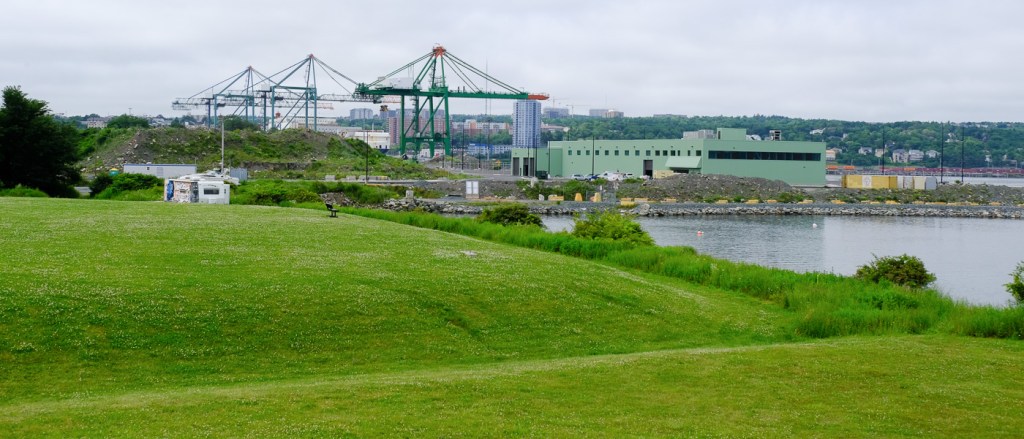
Visiting the historic site during our Nova Scotia adventure It is hard to imagine the thriving and joyful community of old. In community development matters the issue is always the use of force and availability of choice. The Africville community was forced to move, with no choice in the matter. The scene now is one of manicured parkland with a reconstructed Baptist Church and a visitor centre soon to be constructed.

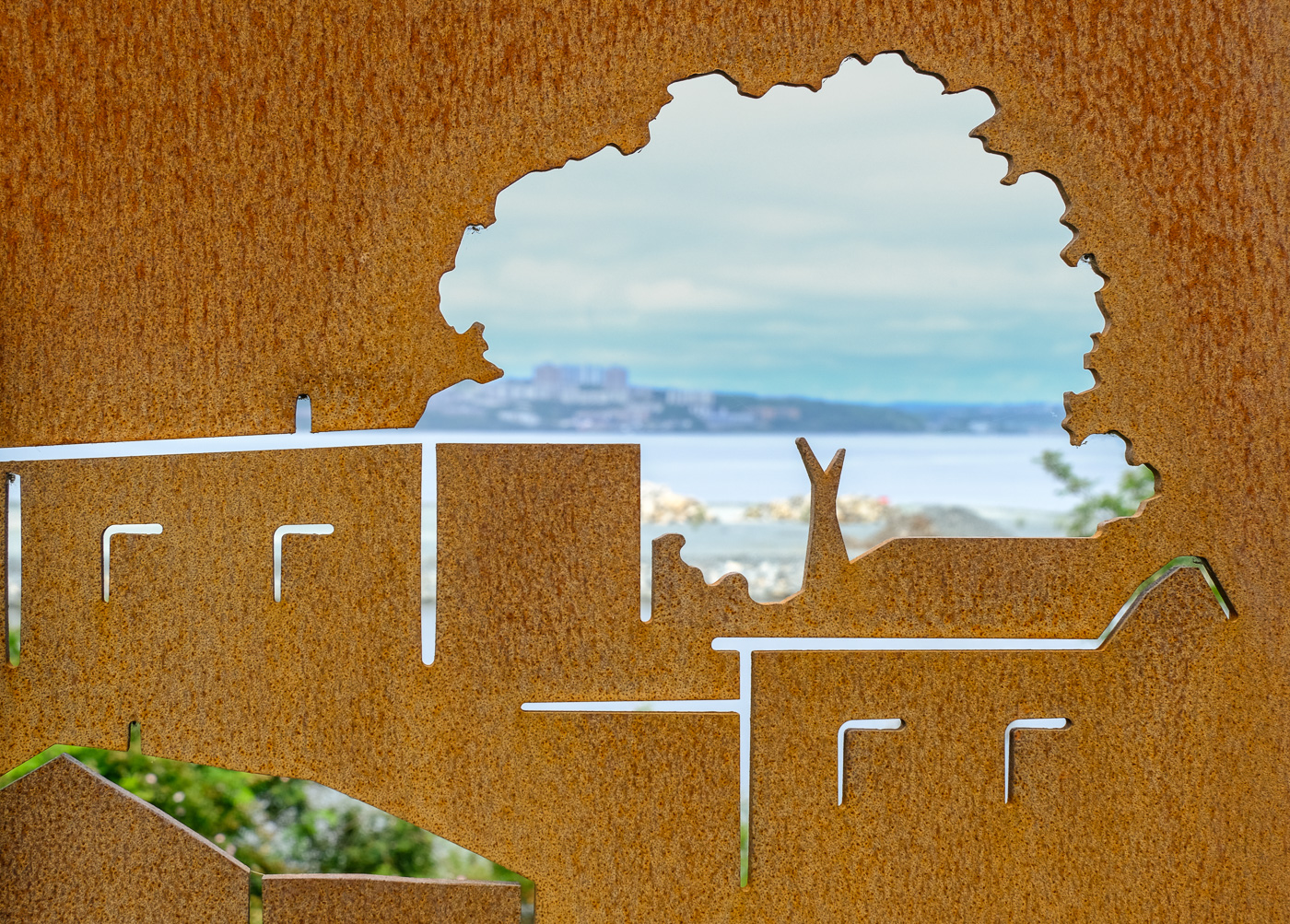
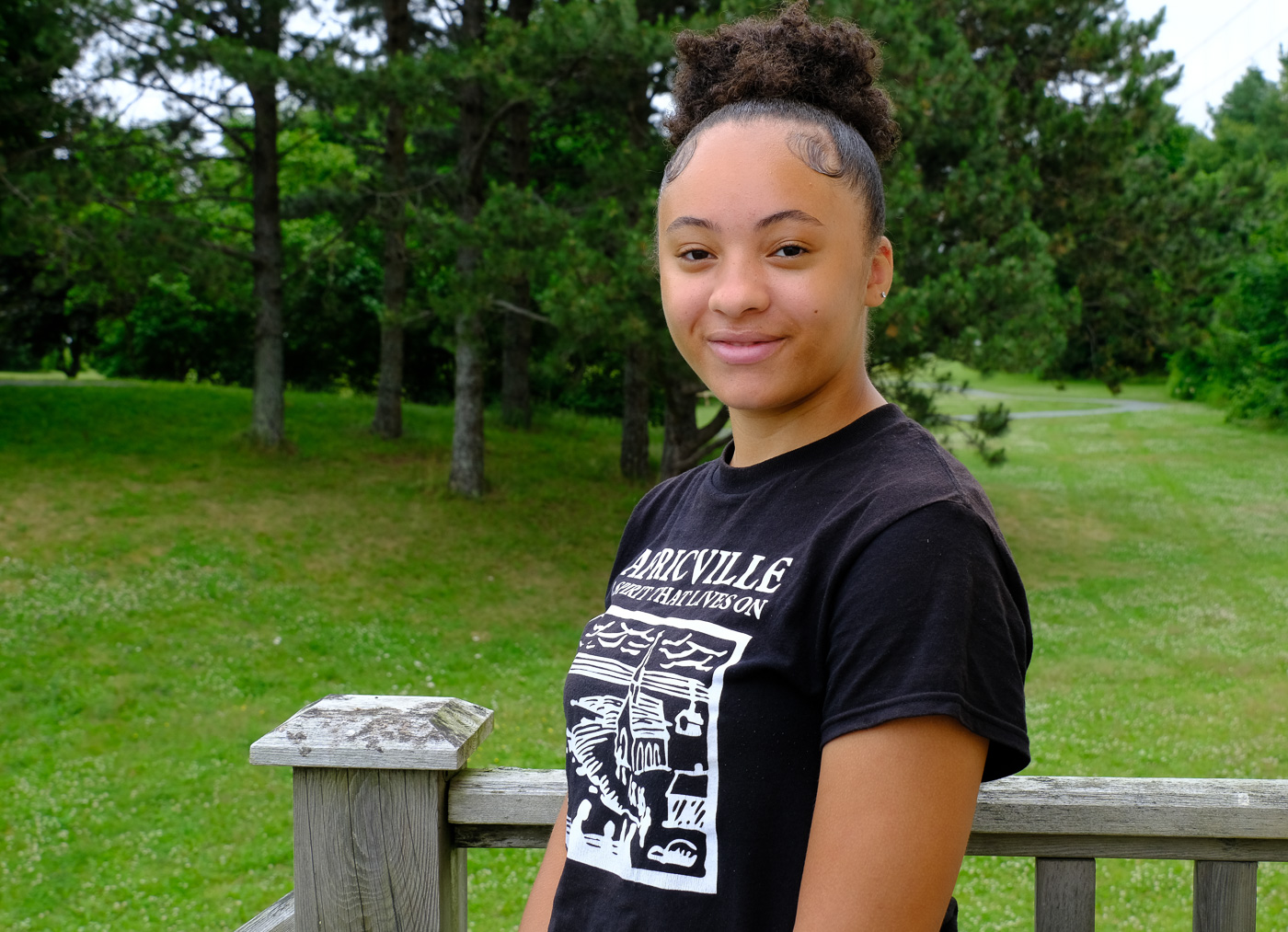
Welcoming and well-informed staff bring the experience to life along with visual displays, an audio tour, and online resources.
Shame on the City of Halifax and its leaders who found Africville to be an obstacle to extending its industrial complex along its harbour front. “Let’s just integrate blacks into the mainstream Halifax municipal community” they said. Sure, we want everyone together, but this forced re-settlement was involuntary and destructive to a healthy, proud, cultural community. The destruction of Africville was institutionalized racism. No less.
Gone but Never Forgotten, Bob Brooks’ Photographic Portrait of Africville in the 1960s give us a sense of what daily life looked like. Available from the Africville Museum audio recordings of those who once lived there evoke the heart and soul of this special community.
In 2010, the people of Africville finally received an apology for the loss of their community from the city of Halifax. A settlement was reached which established the Africville Heritage Trust that extends to the Museum. The Trust is managed by a volunteer board that is primarily made up of members of the Africville community.
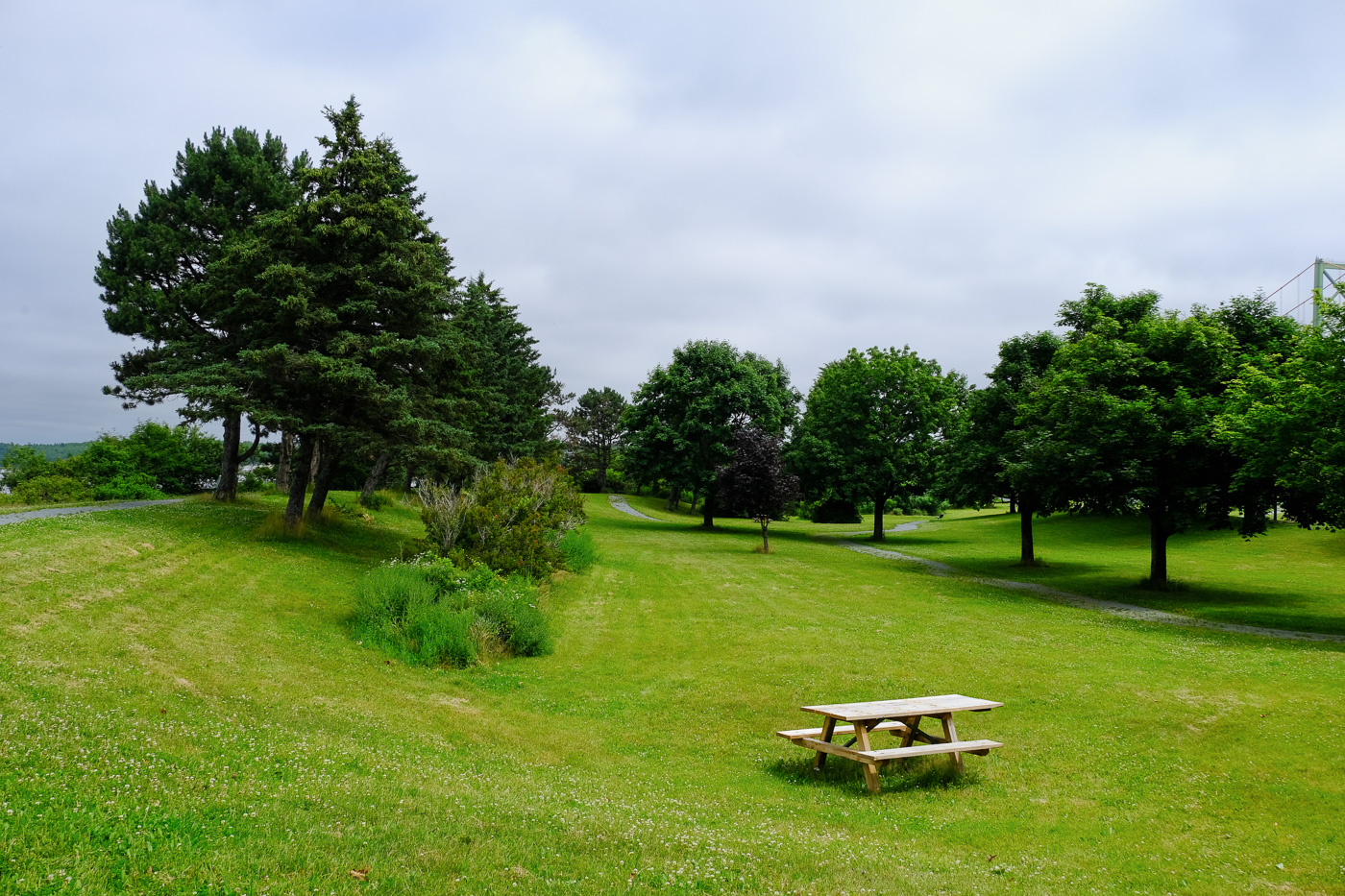
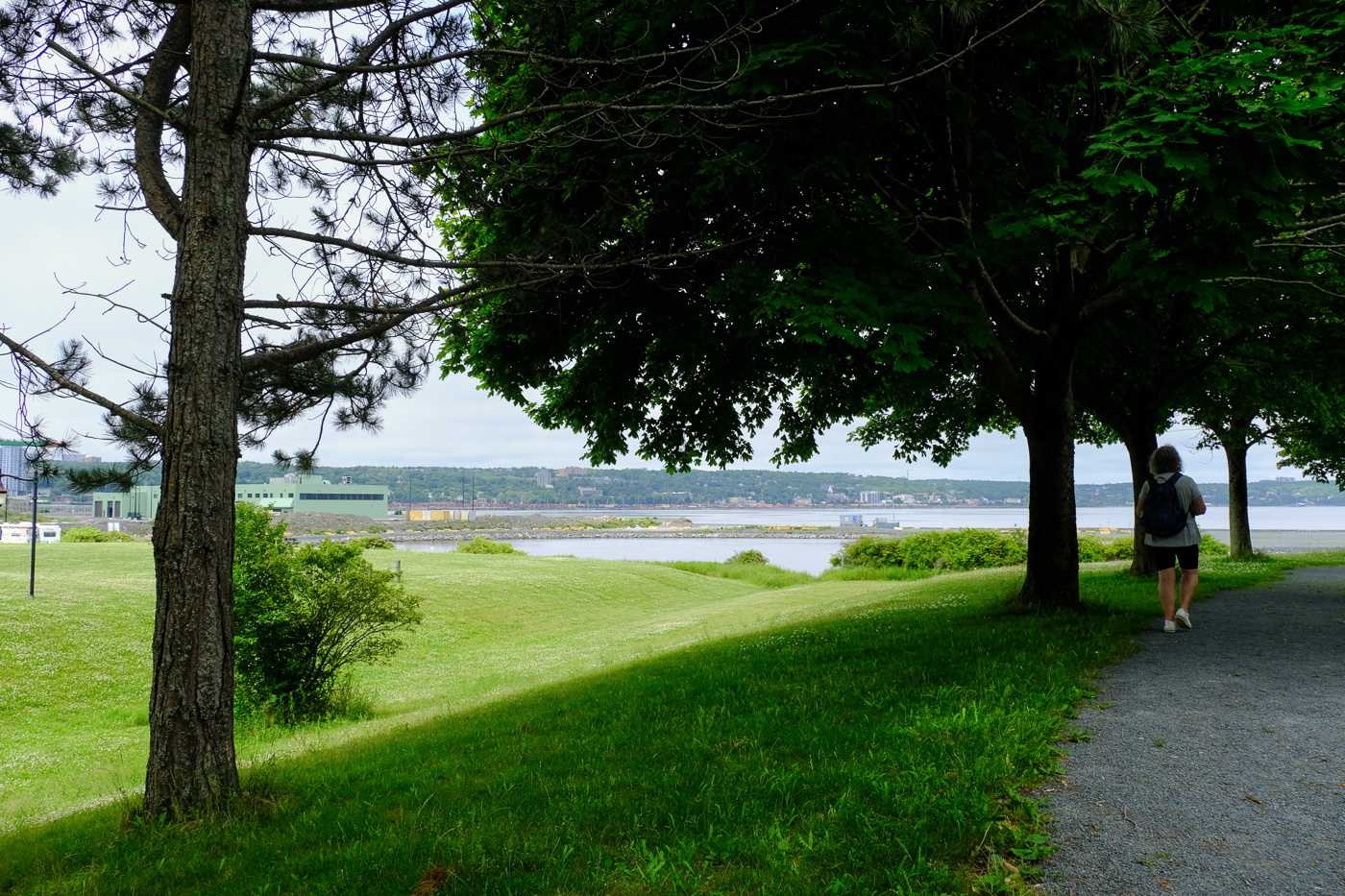
Today, the Africville Museum looks across the land where the people of Africville lived, worked, and raised their families by the water of Bedford Basin. Inside the Museum, exhibits tell the story of a community that met the indignities of racism with grace and faith.
When next in Halifax, so visit. You’ll be glad you did.
POSTSCRIPT — I forgot to mention our guardian angel. It is tricky to get to the Africville site by public transit and on foot. Kathie and I got lost in a forest of a thousand pathways. We were lost; we asked two walkers for directions; they were informed. We strayed eventually onto a residential street where a lovely, unnamed woman took pity on us and gave us a ride to the interpretative centre. Bless you dear lady.
 Take Note - Reflections on life, music, politics, retirement and more by Ken Gray
As a draft resister of the VietNam War, I flew to Halifax in 1968 after receiving my orders to report for induction. I swore allegiance to The Crown, became a citizen, and got hired to work as Clerk Typist 1 for the N.S. Civil Service at The Nova Scotia Institute of Technology on The Bedford Basin. At the desk behind me was Carl, an older man with a pensive aura, who gradually helped me to understand that he was born and brought up in Africville, which, he said, ‘is being razed right now as we sit here–just over there’, he pointed out the window. He shook his white-haired head, lit up a Players, and went back to signing requisitions. Being a brand-new, transplanted New Yorker I hadn’t a clue what he was talking about, yet his demeanor, his silent suffering said all I needed to know.
LikeLike
Thanks Lance for a most interesting and pertinent connection. K
LikeLiked by 1 person