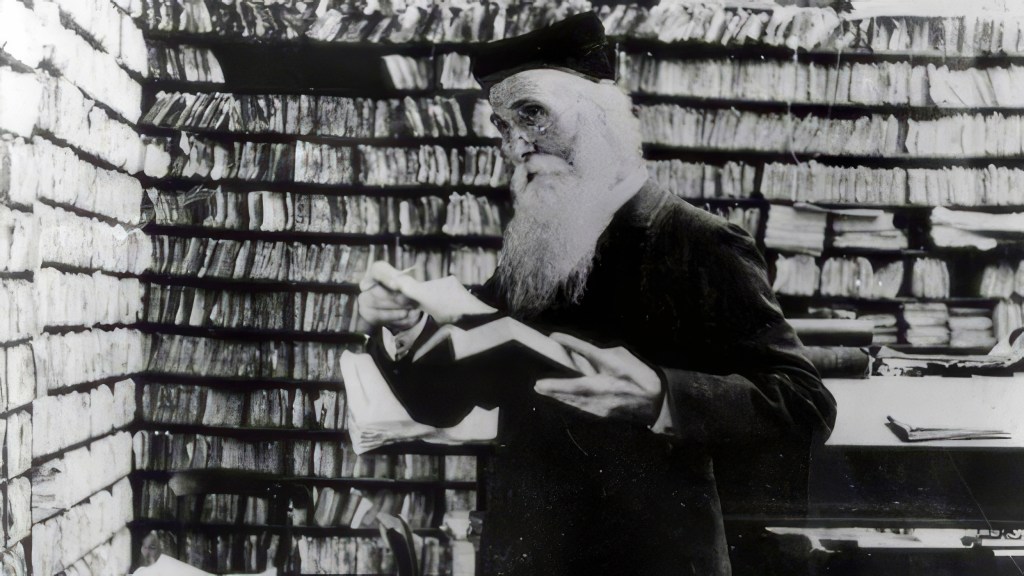
James Murray, circa. 1879 in the scriptorium
In 1992, a Lutheran Bishop joined a group of us Anglican clergy for a supper meeting at the local golf club in Sooke a short drive from Victoria. While my memory of the discussion is somewhat hazy, at one point during the meeting he simply said, “words matter.” As a rather verbal person myself, the phrase kinda stopped me in my tracks. As protestant churches both our denominations are deeply invested in the word, though he seemed more cognizant of the relationship between “The Word” (Gospel of John, Chapter 1), the “written word” (the Bible), and with words generally. Yes indeed, words do matter.
Diorama
Grandiose
Onomatopoeia
Shrubbery
Certain words make me smile. I enjoy their sound; I imagine how I might use them in a phrase or sentence. I hear in their pronunciation—a rhythm, a pulse, a particular music—a physical affect that creates in me an emotional response. Sound alone is does not justify use of a particular word; that said, sound gets my attention.
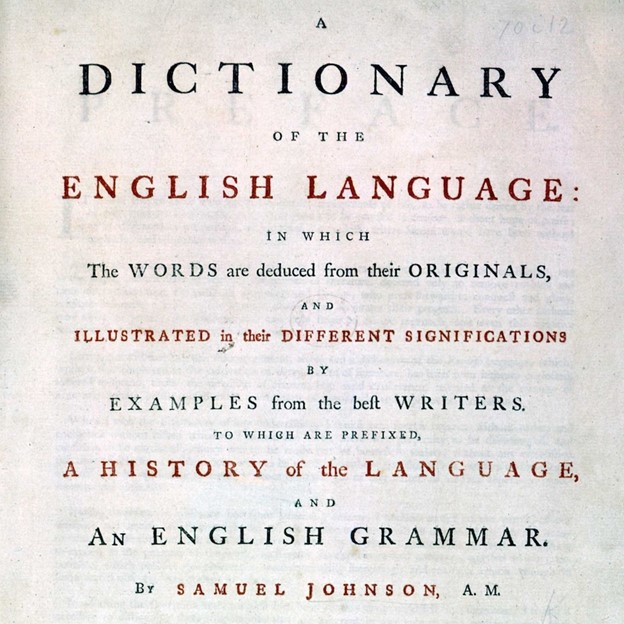
Linguists devote a lot of time and energy to studying both the denotation (literal or primary meaning) and the connotation (the feeling a word evokes) to particular words. Both are essential when creating dictionaries which catalogue word usage and their linguistic history. The first dictionary of note is that of Samuel Johnson in 1745, a remarkable production given the primitive resources available. Other collections soon followed.
Brinkmanship
Kerfuffle
Malfeasance
Existential
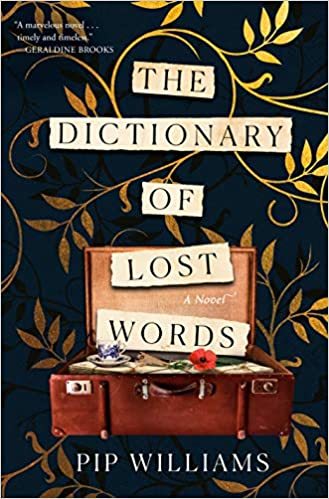
Allow me to introduce you to The Dictionary of Lost Words by Pip Williams. In this, her debut novel, she traces the creation of the first edition of the Oxford English Dictionary, a story told by a child who sat underneath the worktable in the scriptorium, the shed where words were received, organized, and evaluated for possible inclusion in the mammoth first edition of the OED in 1928. Words that were rejected were dropped on the floor only to be gathered up by one inquisitive observer.
Incinerate
Salacious
Supine
Preposterous
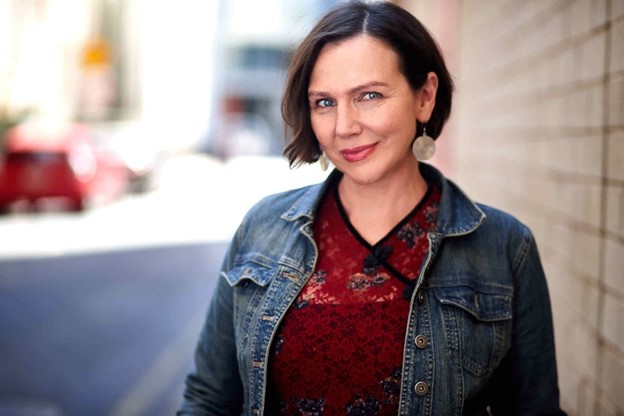
Pip Williams
[Pip Williams] “As a young girl, Esme Nicoll becomes enchanted with words and the dictionary project. She is under the sole care of her father, who is one of the several lexicographers at work on the dictionary. Crawling about on the floor by her father’s feet in Dr. Murray’s Scriptorium, she snatches up fallen slips of paper on which new words and their definitions have been written. And her collection of these slips forms the beginning of the eponymous “dictionary of lost words” that plays a central role in the tale.”
Cleavage
Philanderer
Filibuster
Affluent
In my third year of undergraduate study my Creative Writing instructor, Dr. John Smallbridge began each class with a dictionary drill. He asked our little seminar group to define ten words. The words he chose were familiar to all of us. There were surprises however. The only word I remember from these drills is “nice.” Most of us defined it as a good feeling; what we missed was nice as fitting, with precision: i.e. the door fits nicely in the jamb. I came away from these exercises with greater respect for the meaning and value of words.
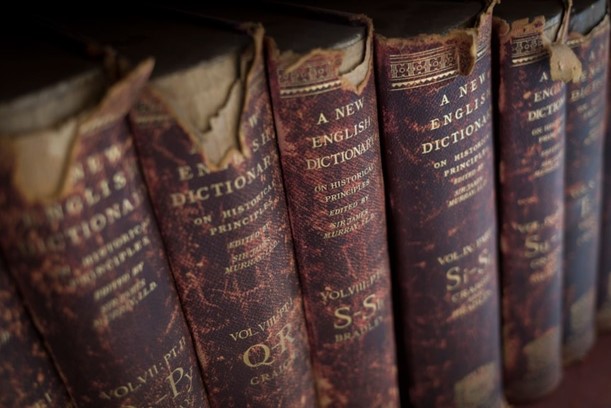
So much of my writing involves finding the right word to express what is in my heart and mind. Both word choice and sentence construction do not come easily to me; I really have to work at it, a creative activity not unlike preaching which I continue to enjoy. Putting ideas down on digital “paper” creates an accountability helps me improve my craft.
Marvellous
Especially
Philanthropic
Eucharistic
I still enjoy working my way through The Elements of Style by William Strunk, a seminal text for those who write in English. This slight little book continues to influence my own writing. Apart from citing some common misusages, the guide says little about the selection of words, of finding “the right word.” Musicians strive to find the right note, chord, or effect in their compositions. The manuscripts of J. S. Bach are mostly clean: there are few if any corrections. The scores of Ludwig van Beethoven are riddled with corrections. The end product of both is beauty and precision; the way each composer accomplishes this are noticeably different. Words matter; finding the right word is important.
I recall the British playwright, Tom Stoppard saying that in his early years writing for the stage and screen he sat down and memorized the contents of the Concise Oxford English Dictionary. Words matter, and sometimes I need help finding them. If “the cow jumped over the moon”, said cow could likewise have lept, vaulted, or rocketed. You choose, based on preference, context, and sound.
Flabbergasted
Superfluous
Inauspicious
Flamboyant
None of the words spaced throughout this blog will work in Scrabble. The standard for inclusion for this piece was length; today’s words are all eight letters or more long; Scrabble players are limited to words of seven or less letters. Them’s the rules; and in English we follow the rules, except when we don’t. I chose these words because they sound lovely to my hearing-aided ear. I hope you enjoy them; and if you have read this far, thank you; I salute you.
Salute
 Take Note - Reflections on life, music, politics, retirement and more by Ken Gray
I love words … and word games! This post is delightful!
LikeLike
Ligularia
Beautiful to say, hear & grow although it requires supplemental water
Sent from my iPad
LikeLike
Will add to the next list.
LikeLike