The Very. Rev. Ken Gray, All Saints tide 2025 — This article first appeared in the November issue of TOPIC, the Newspaper of the Anglican Diocese of New Westminster, Vancouver BC Canada
As we remember saints, sinners, and all souls together through the triduum of Halloween, All Saints, and All Souls let me also honour the elders, though my focus moves beyond the human.
We are all surrounded at all times by elder creatures,
by day and by night,
invisible and by sight,
things of beauty, fragile, and might,
creation inspiring delight . . .
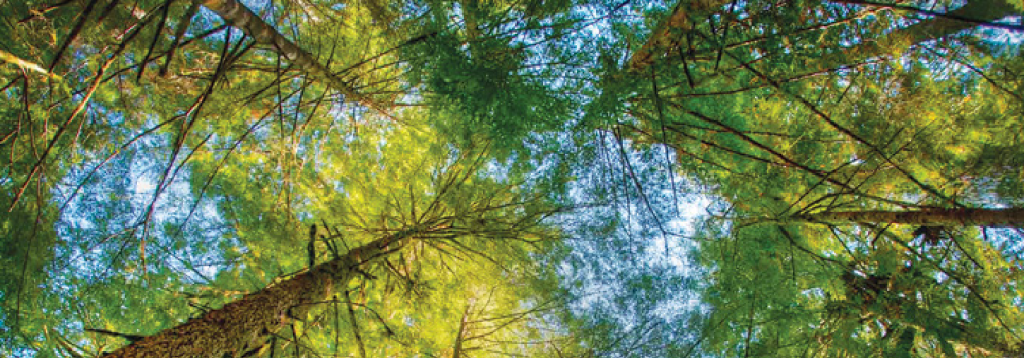
I think especially of trees, mighty statues and infant saplings, from the weeping willows of my childhood garden to the giant residents of Cathedral Grove on Vancouver Island, from the coastal rain forests of the we[s]t coast we all know and love, to the Douglas Fir stands of the BC interior where I now live, these are the elders of our forests, from whom we can learn, if we choose, to listen.
Through the lens of scripture, and the Hebrew bible in particular, I discover the Cedar of Lebanon, Cedrus libani, known for its longevity, height, and durable wood, it has held profound significance for millennia. What wisdom might it share with us today? In a dialogue from the Book of Judges I hear “the bramble [say] to the trees, ‘If in good faith you are anointing me king over you, then come and take refuge in my shade, but if not, let fire come out of the bramble and devour the cedars of Lebanon.’” (9:15) In other words, size and strength matter but even the elders can fall, by natural catastrophe, through fire. Truly a message of sustainability for our day throughout our province.
Closer to home, I think of the Western Red Cedar, Thuja plicata, a large evergreen coniferous tree, native to the Pacific Northwest of North America. It is a very long-lived tree, with some specimens reaching ages of well over 1,000 years. “Old growth” means “elder” and must be respected accordingly.
My own respect for trees has arrived later in life for me. Growing up on Vancouver Island, the forest was always there, doing its own thing. I increasingly realize the miracle of what in fact it does. In her book Finding the Mother Tree: Uncovering the Wisdom and Intelligence of the Forest (Penguin, 2022) UBC Forestry professor Suzanne Simard writes:
“The trees . . . are talking. It is our job to start listening.” Trees are “social creatures” that communicate with each other in cooperative ways that hold lessons for humans, too, she says.
The study of trees took on a new resonance for Simard when she was diagnosed with breast cancer. During the course of her treatment, she learned that one of the chemotherapy medicines she relied on was actually derived from a substance some trees make for their own mutual defense. [Publisher notes]
Age, wisdom, respect, communication, beauty, biology, history. In the elders, “we are surrounded by such a cloud of witnesses.” (Heb 12:1). And the people said, Amen.
Visit the takenote.ca HOME page for a colourful display of hundreds of other blogs which may interest or inspire you
 Take Note - Reflections on life, music, politics, retirement and more by Ken Gray
Leave a comment