Based on Talking to yourself when you’re alone: Psychology shows it often reveals powerful traits and exceptional abilities – By Redac / 29 December 2025
“Hey Kathie, I saw Ken walking down to the post office the other day.”
“Really. So tell me, was he talking to himself?”
“Funny you should mention that; he was, and quite happily so . . .”
The above fictional anecdote is based on multiple reports shared by family, friends, neighbours, and strangers. It seems I do talk to myself, especially while walking, a lot. I am sometimes in conscious internal conversation; often I am totally unaware of my introverted musings. Sometimes I rehearse conversations I think I should have in the future. Sometimes I think through sermon ideas — many of my best schemes emerge in relaxed settings like gardens, the lake or ocean water, even the occasional cemetery. I often visit or revisit news items, perhaps reacting to stories either beautiful or obscene. The point is I am quite happy with the sound of my own interior voice. There are few, if any arguments. If conflict does appear, when a thought causes an argument, regardless of how things go, I win.
A recent online article (cited above) assures me that I am not alone. Many people talk to themselves out loud, mostly in private though sometimes in public.
Many people whisper to themselves on the train, in the kitchen or at their desk, without realizing what this small habit quietly says about them . . . Psychologists now pay serious attention to something most of us treat as a private quirk: talking to ourselves when nobody is around. Far from being a sign of losing touch with reality, this inner commentary can reveal how we think, how we handle stress and how we push ourselves forward.
Many people visit the library or bookstore looking for the self-help section. I don’t need either resource, as I have a built-in self-talk capacity. As the third child with two much older siblings, I must have developed this capacity early on. It was either self-talk or television to provide community, at least conversationally.
From a developmental point of view, children talk to themselves constantly. Psychologists call this “private speech”. Over time, that speech shifts inward and becomes the silent voice in our head.
Understandably some observers are puzzled. Many find my behaviour concerning, especially if my speech is loud and my content long. Kathie sometimes askes me who I am talking to; what is the conversation about; and is it enjoyable. I respond saying it was enjoyable until I was interrupted.
We usually associate spoken language with communication between people. So when someone moves their lips alone in the street, it can look odd or even worrying. Yet a growing body of research suggests that self-talk is a core part of how the brain organizes thoughts, emotions and actions.
There is a particular satisfaction to thinking things through — which home renovation to commence next; where to vacation; how to manage our money — and it does seem to help me consider such matters audibly. I don’t however do it consciously.
Self-talk often acts like a mental control panel: it helps set goals, direct attention and regulate emotion in real time. Talking to yourself fuels creativity.
Jackpot! I do stress-test ideas for performances, projects, and decisions aloud.
Writers, designers, coders and musicians often admit to speaking their ideas out loud. Saying a sentence, a concept or a melody can serve as a quick test: does it sound right, or fall flat? Research linking frequent verbal self-talk with higher emotional intelligence and creativity suggests that this habit can help people:
I make no personal claim regarding emotional intelligence. I just know that when I talk to myself, and am typically happy, content, and secure. Audible self-talk is not a go-to place when stressed. I love the words in my final quote:
For many creative workers, that muttered monologue acts like a brainstorming partner who never leaves the room, never judges and never gets bored.
Visit the takenote.ca HOME page for a colourful display of hundreds of other blogs which may interest or inspire you
 Take Note - Reflections on life, music, politics, retirement and more by Ken Gray
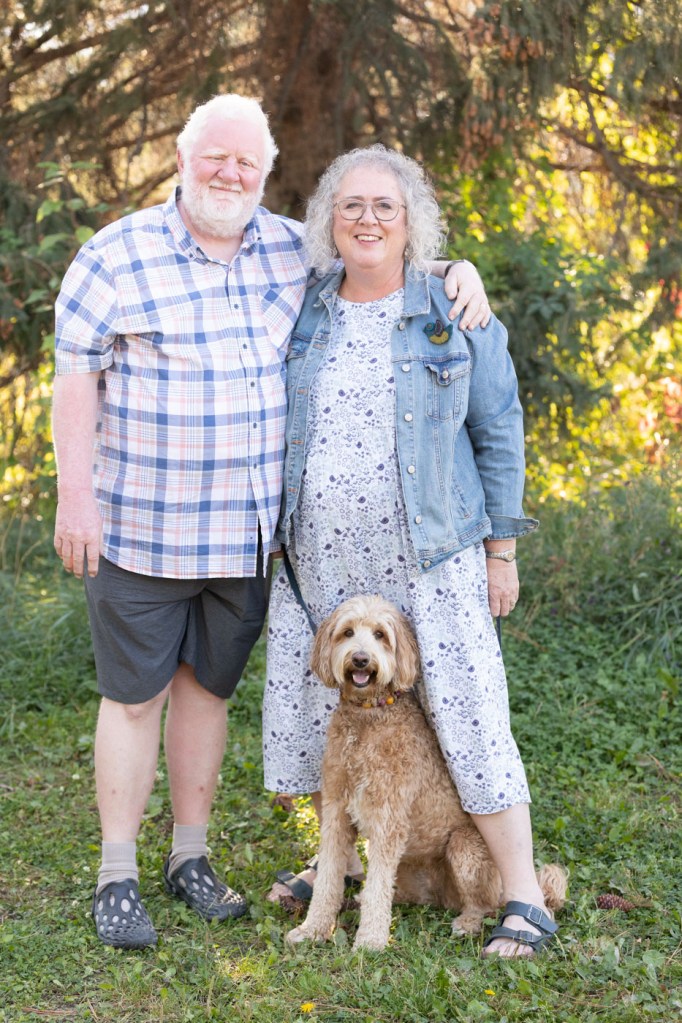
Wonderful photo 🙂
And yep … I talk to myself, too … including at the computer and when writing, LOL!
LikeLike
Photo is a bit off-topic, but as a photographer I rarely appear in my own images. K
LikeLike