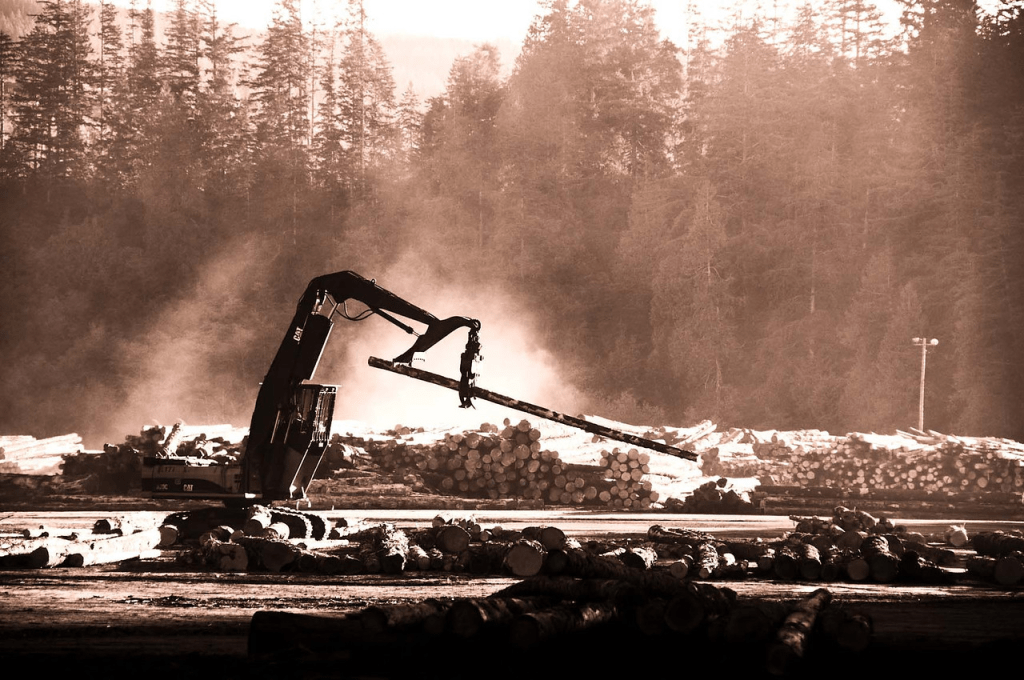
Another chapter in the series Stories from Somewhere, fictional reflections of an unidentified place at an unknown time. Other chapters are listed here.
Our paths have not crossed for a couple of weeks now, so I am out of touch. Obviously, Ronni and a few others have been busy making plans, exactly for what, I am unsure. Over the phone, she fills me in.
“Four of us, Milton, Kevin Marsh, Allie from the bookstore, and I invited Danita Domas to share her thoughts and experience in designing protests with our group,” Ronni said.
“You design protests?” I blurt.
“There’s more to protesting than just showing up, you know. Have you heard of Danita?”
“Can’t say I have,” I reply. “Who is she?”
“She’s an activist, specially focused on environmental issues. She has spoken about native land agreements. She has protested recent regional decisions around water treatment. She has forced a conversation around food policy. Her reputation is significant and growing.”
“Never heard of her,” I admit.
“She’s an excellent organizer. I made some notes; I have them right here, that is if I can find them quickly.”
I hear paper rustling on her end.
“Here we go. Found ‘em. She started out with some very encouraging words: ‘You need to know that direct action works,’ she told us. ‘The reality is that if you take action, something will be done, things will change, eventually.’”
“So what do you hope to change?” I ask.
“Forestry practices obviously. Here’s more of what she said”:
“We need to challenge the way companies harvest lumber and take down trees. They take too much, way too fast, and they destroy what’s left behind without an adequate plan for replanting.”
Not wanting to be obstreperous, I press on. “That’s a tall order. What action are you and your little group planning?”
“Some kind of local protest, an event that gets the attention of local residents, of politicians, of media, of workers, and yes, other activists. We want our event to connect with a wider ecological movement. We want to flush this conversation out into the open,” she explains.
This all sounds a bit over the top to me. “Okay, but what does such a protest look like? Is someone going to torch another phone booth? We still need public phones, don’t we?”
“Very funny. But yes, we need something demonstrative. It’s not enough to just hand out literature. You can only have so many focus groups in coffee shops. We need to surprise people somehow, to get them talking and thinking differently. We need to push the issue, now.”
“What about a public lecture or some sort of gathering in the park? Let’s host an educational event at our church,” I propose.
“A bit tame don’t you think?” she says. “Too easy for folks to just stay away, to avoid the issue, to leave things to someone else. No, we need something more disruptive, something with punch, a real attention grabber.”
Still looking for a less combative plan, I ask, “So what are folks doing elsewhere? What did Danita suggest? Luther-King paraded across Alabama bridges — he wrote letters from a Birmingham jail; Viola Desmond fought racial discrimination in Nova Scotia; Henry Morgantaler supported ‘a woman’s right to choose’.”
“All inspiring actions for sure, and not that far removed from our concerns when I think about it. Danita suggested we consider a blockade, just a few hours long — short, and small — see how it goes. With only one road through town, we will get attention fast. We will simply stop cars; ask a few quick questions — kind of like the JWs — offer some literature and move folks on.”
“Wow, that’s quite a plan. Do you all agree this is a good idea?” I am still unsure about the idea myself.
“Not exactly. Milton is intimidated and a bit shy; Allie is good to go — the bookstore might even set out some books and provide a few refreshments. And Kevin is absolutely stoked; he’s ready to rock and roll,” she laughs.
Having never participated in such an action myself — even the recent peace march was a new experience for me — I am not convinced that a blockade or anything else so provocative is the best way forward. For crying out, this is an illegal action. Fines, or worse, will be consequences, not all of them good.
“Can’t we let people consider things in their own time and at their own pace?” I plead. “Surely, antagonism only breeds more conflict.”
“Danita suggests the opposite. Creativity is strength; so dream big; don’t be shy; don’t get scared, she advises. She asked us what you just asked me: What do we want to achieve? Do we want to interfere with company operations? Yes! Will we attract media attention? Definitely yes. She asked if we want hard or soft action — I lean soft; Kevin likes hard.”
I press her, again, for more details: “How about practical preparations? Where will this blockade be set up? How will the group communicate? By walkie-talkie? How much food or drink will those on the barricade need? Are you in touch with a lawyer just in case? What about human needs, you know, bathrooms?”
“She worked through many of these with us. She also advised us to devise an entry and an exit plan. Safety for everyone is important.”
Their preparation is impressive I must admit, though I still have questions. “How will you construct a blockade? With what materials? Sawhorses, vehicles, ribbon tape, signs? What else?”
“Dunno yet. Kevin is working on that. Danita also suggested that we have discussions with neighbours, volunteers, media, and any local businesses who are willing to meet with us. Explain what we are doing and why. There may be more support out there than we think. In other words, build consensus and a ‘community of confidence’ even before the blockade is erected, Danita advised us.”
“I guess all you need now is a manifesto; a statement, a pamphlet. What will your pamphlet say? I could help you with formatting and printing,” I offer.
“Good question; I have been thinking about this. See what you think of this:
We make no apology for today’s blockade. A few minutes of your time, and your careful attention to what we propose is all we ask:
1) It is time that forest management practices consider ecological values as a priority. Profit alone will not produce sustainable outcomes.
2) Citizens working together, standing up to say NO when government is not making decisions that reflect the public good, will bring real change in our forests.
3) A change in corporate decision-making procedures will pave the way for more amicable conservation decisions now, and in the future.
Their text is good, and I say so. “Okay. Sounds excellent. You have thought things through; I give you that. But hear me out please. You will end up stopping some folks who may not appreciate your interruption to their daily travel plans — they’re picking up kids from school; maybe they’re late for work; what about someone who needs to get to the doctor quickly. This all sounds great in theory. How will you handle some very upset travelers who care little for your cause?”
“We’re going to do some role plays to work through different scenarios of how we should respond,” she says.
“Okay, let’s imagine that you can settle folks down, that they will read your statement. What’s next?”
“We hope to identify and recruit potential movement leaders, people who have social or political influence, people who have public speaking ability, people who can present ideas and challenges respectfully and accurately, so that people can evaluate our demands for themselves.”
“Okay, so assuming you might discover some of these woodsy apostles, who else do you have in mind?”
“Well . . . How about you?”
Right . . . What about me?
Visit the takenote.ca HOME page for a colourful display of hundreds of other blogs which may interest or inspire you
 Take Note - Reflections on life, music, politics, retirement and more by Ken Gray
Leave a comment