A sermon for the congregation of St. Stephen, Summerland by the Very Rev. Ken Gray — Sunday, May 17, 2026
Today I stand before you without my hearing aids. After several years of good service, my hearing aids now require some repair. Thankfully, they are still under warranty. This means a trip for them back to the manufacturer who operates in some distant land, which means I must rely on the installed audio equipment provided to me at birth, for at the very least, the next ten days. My world in now more quiet, though my interaction with others more difficult. I appreciate the frustration for those who live closest to me. The dog has all but given up.
Hearing loss separates us hard-of-hearing folks from the community of others. It frustrates my television watching, including baseball. I can see how hearing loss can lead to social isolation and depression, especially for those who live alone. I look forward to the return of my hearing aids, but must adjust my expectations in the meantime. For obvious reasons, I am especially concerned right now, with hearing.
I was delighted, therefore, to learn this past week of a new book by Suzanne Simard, a UBC forest ecologist I have mentioned before. Writing in the New York Times, Deborah Blum reviews Simard’s latest book which “urges Western science to take a lesson from the more holistic Indigenous approach to forest preservation.”
In “When the Forest Breathes,” trees are not just supportive relatives. They are teachers and healers, capable of communication and perception, a woodland congregation in which young trees grow “in halos” around their elders. Her books are truly inspirational as she urges readers to hear the forest as she does. “Nature is waiting for us to listen,” she writes, “and to learn.”
I know . . . I know, I am best known as the one who speaks more than listens. For both physical and personality-type reasons, hearing/listening is, admittedly, a challenge. I sometimes think I should join the Quakers, who corporately engage God in silence — as an act of faith, as an aid to spiritual encounter and growth, and most interestingly, as a foundation for activism.
In many ways, I remain interested in the possibilities of hearing, especially discernment of divine presence in nature, especially through the forest overstory. I think Simard is on to something, something beautiful, something profound. Understandably, here in the BC interior, we are especially aware of forests, and trees. We love and benefit from our forests and the life found within them. On May 1, the B.C. River Forecast Centre showed elevated drought risk in the Okanagan Valley. The Okanagan basin has the lowest snowpack on record at 31 per cent of normal. The implications for wildfire activity are obvious. As we move into a very concerning hot and dry summer we are anxious about the potential loss of not only community infrastructure; we are concerned about the threats to agriculture and to the tree fruit industry here in Summerland. We face the potential loss of beautiful swaths of the forests which surround us.
Simard’s concern that we engage with the forests more dynamically and appreciatively is fueled by the urgency of climate change, Her dissatisfaction with the standard scientific research model is in many ways a dissatisfaction with communication. If we are to protect our endangered forests, she argues, then science needs to be less timid in its messaging. She urges her colleagues to take a lesson from [First Nations elders and leaders] who fight for what they believe, on so many fronts, but especially in the protection of natural habitat.
I have always assumed that we have so much forest here in B.C. that our forests will always be part of the “lungs of the earth.” According to David Hughes, an energy analyst who worked for the Geological Survey of Canada for 32 years as a research scientist this is no longer the case. “Since 2003, B.C. forests have become a carbon source, emitting more than they are absorbing. That is primarily due to the increase in forest fires, but also the ability of forests to store carbon being compromised by the great extent of logging that has occurred.” This is not good news. We need good forest policy with increased input from all stakeholders, including workers and Indigenous leaders.
On this, the Sunday between Ascension and Pentecost, Luke, the author of Acts describes Jesus’ departure from the physical world to all which is beyond, leaving us responsible as witnesses to God’s love and grace. We are not abandoned, but we must wait another few days for the church to celebrate the gift of the Holy Spirit, who will not leave us orphaned or without wisdom, strength, and community. We have a vocation to care for what has been entrusted to us, including the forests and the trees, all of nature, including humanity and all non-human life. Such is our noble calling, and pleasure.
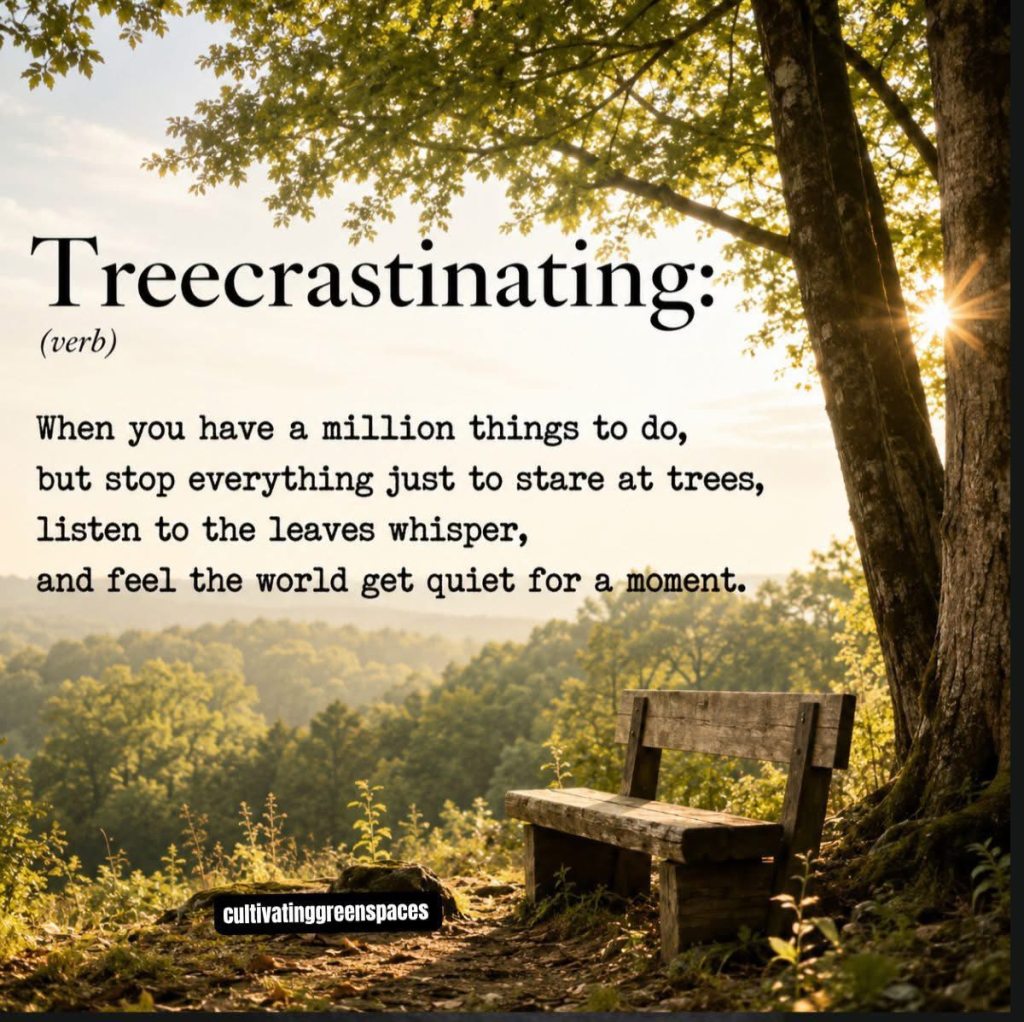
One way we can bless nature is to walk right in to it. A photographer colleague sent me this poem yesterday: The poem is titled “Treecrastinating.”
When you have a million things to do,
But stop everything just to stare at trees,
Listen to the leaves whisper,
And feel the world get quiet for a moment
What a great word; what a great idea; what a witness.
Creator, from the depth and breadth of creation, we thank you.
Visit the takenote.ca HOME page for a colourful display of hundreds of other blogs which may interest or inspire you


Leave a Reply