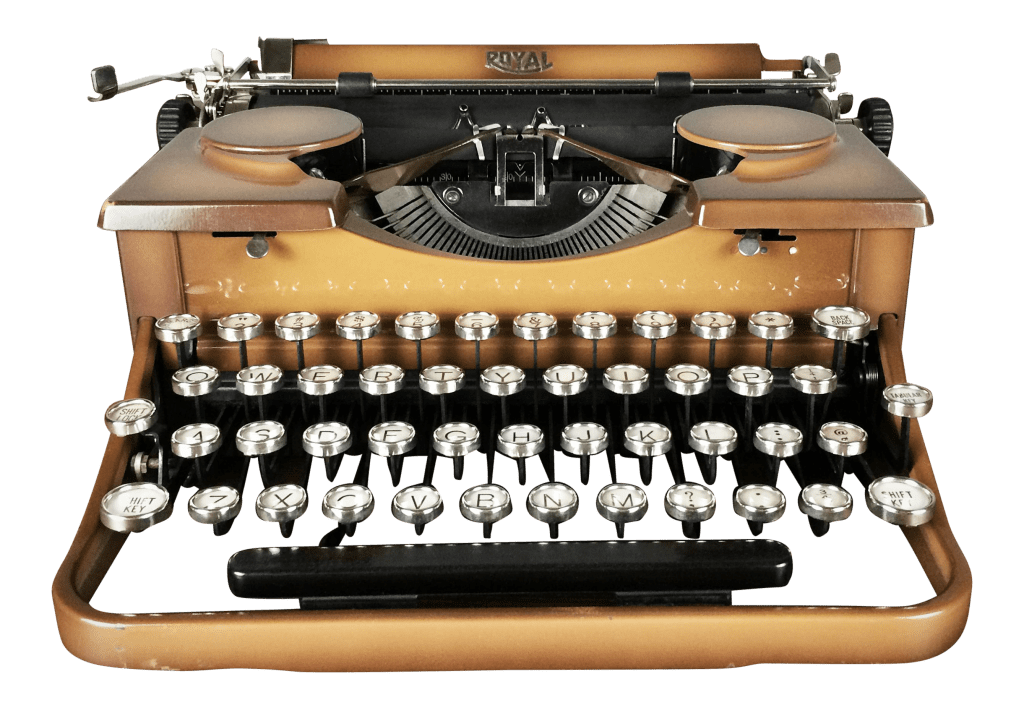
Readers of this blog are well aware of my newfound interest in writing, not just non-fiction but most recently fictional short stories, a practice that may lead to longer forms in time. I am surprised how much fun I have in creating characters who participate in dramas f my own design based on memories of persons and places from my past.
I continue to publish story stories on this blog; a few readers have encouraged me to write more. Two are now published here; one awaits adjudication in a contest; others will appear here in the weeks and months ahead. I currently have ten in various stages of development. As performers seek an audience of listeners, writers, including me, seek a reader or two. So far, so good.
I am sometimes asked what my new fascination is all about. “I thought you played the organ” some query. “You’re a preacher” others suggest. While I have enjoyed reading since my early adult years I have never thought of myself as a writer. Previous passions have included music, ministry, photography, and activism. The former practices remain though photography and activism are uppermost in my creativity now. I will continue both until I die.
Regarding activism, some will ask why? “You can’t really change anything, can you?” Well likely not, but I shall continue to try. Schindler’s List opens with one candle and a quote: “Better to light one candle than to curse the darkness.” Each and every day email trolls promise to increase my blog SEO (Search Engine Optimization) so more people can find my blog and buy my products. Well, none are for sale and I really want folks to enjoy my content. Truth is, I am perfectly fine with my little online space — where friends complain that I publish too often; sorry about that — but there’s so much to say, so much to quote, so much to share.
I was delighted to discover Emily Ronay Johnston’s Writing builds resilience by changing your brain November 24, 2025 at The Conversation. Johnston is Assistant Teaching Professor of Global Arts, Media and Writing Studies, University of California, Merced
Here are a few takeaways which caught my attention. I do recommend reading the full article however.
1) The act of writing changes the brain. Writing can shift your mental state from overwhelm and despair to grounded clarity — a shift that reflects resilience.
Much that I read each day is horrible. Whether it’s the US administration, war in the Middle East or Sudan, the atrocities laid upon Ukraine, violence against vulnerable persons, the list of horrors seems endless. To avoid saying nothing, writing helps me synthesize my own thoughts through a selection of information, analysis, and knowledge. I have no power over outcomes, but possibly some insight about a way forward brings some comfort and modest confidence.
2) Resilience is an individual quality that people can strengthen with effort.
I find myself seeking resilience as a life strategy more and more right now. I respect greatly those who are able to stand their ground and resist — Canadian Charlie Angus is an ideal example. Also Greta Thunberg and Robert Reich. I’m not quite on board yet with Marjorie Taylor Greene however.
Johnston spends a fair bit of time on the value of writing in healing trauma, personal and social. Thankfully I am free of trauma influences presently so this healing aspect of writing concerns me less presently. For many however, such journalling is life-giving and resilience building.
3) Writing rewires the brain
Johnston writes: “Externalizing emotional distress through writing fosters safety. Expressive writing turns pain into a metaphorical book on a shelf, ready to be reopened with intention. It signals the brain, “You don’t need to carry this anymore.”
I find her insight most interesting. With others, I still think of writing as solely an intellectual exercise. Acceptance of modified brain function takes writers beyond the logical process into the physical realm, where writing becomes good body conditioning akin to athletes cross-training for sports or individual fitness. I increasingly find myself hunting for stories in my various online feeds, replete with ideas that often morph into fictional settings and stories. It is so much fun when this happens, often surprisingly so. Writing accompanied by research is life-giving. Who knew?
She has more good things to say about writing and memory, where the brain converts “short-term memories into long-term ones . . . Writing can help free the mind to be in the here and now.” She further identifies that “choosing to write is also choosing to make meaning. Studies suggest that having a sense of agency is both a prerequisite for, and an outcome of, writing.”
In a philosophical theology course in the 1980s my classmates and I pursued the question of the “meaning of life.” I recall that most philosophical attempts failed, but Victor Frankl’s Man’s Search for Meaning was the most helpful. For Frankl, based on his experience as a captive in Auschwitz, those who survived experienced meaning in their shared life-and-death struggle. Meaning was less something found, as it was something discovered amidst the horrors which surrounded them. They had no papers or pens — reflection, if any, followed liberation, years, even decades later. Remember the writers: Remember Elie Wiesel.
“For in the end, it is all about memory, its sources and its magnitude, and, of course, its consequences.”
― Elie Wiesel, Night
Visit the takenote.ca HOME page for a colourful display of hundreds of other blogs which may interest or inspire you
.
.
 Take Note - Reflections on life, music, politics, retirement and more by Ken Gray
I needed this 🙂
LikeLike