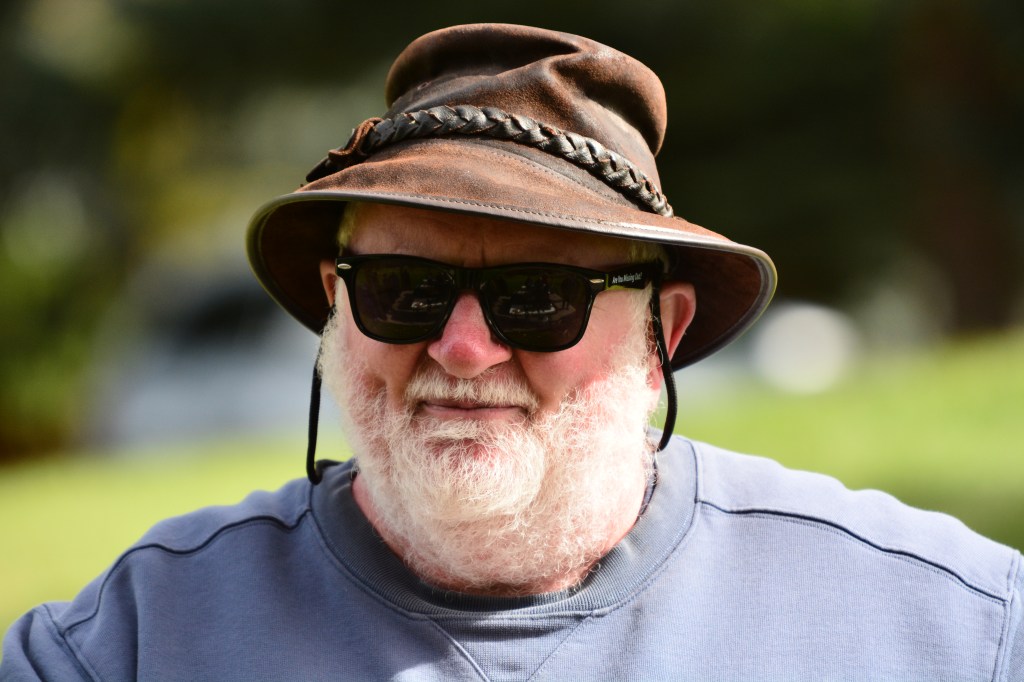
A retired bishop told me recently that “when you retire, the church forgets you.” While blunt, I think they may have a point. Writing in UK Church Times: “Retirement: The Church of England depends on retired clergy, 19 June 2026, Bishop Colin Fletcher argues that “much more needs to be done to nurture clergy retirees.”
While there are important differences between clerical life in the Church of England compared with the Anglican Church of Canada, many of the dynamics found in this UK report are active here in my own diocese and I suspect, elsewhere.
A retiree himself, Colin Fletcher makes several poignant claims regarding the experience of clergy entering retirement. “In particular, I felt the loss of no longer working in a team.” He found researching the stories of retired clergy, “a joyful and challenging experience, not least because it forced me to look back at my time in active episcopal ministry, and to consider how well we had valued those priests and their spouses who retired in the Oxford diocese, and then to consider how to apply that understanding to retired clergy in the wider church today.”
Literally for decades, here in Canada and in the UK, the church “is more and more dependent on the ministry of retired priests to maintain the regular pattern of Sunday and weekday services in our parishes.” Additionally, “with the year-on-year reductions in the number of stipendiary priests, the lengthening of vacancies, and the increase in the need for cover for ill-health and stress-related conditions, it is clear that retired clergy are being looked to more and more to cover the gaps that these all leave.” Here in Canada, let us not forget the ordained ministerial service required in those regions where diminishing numbers of congregants, growing costs of maintaining aging structures, and experimentation in organization revision still require some clergy presence and pastoral care.
While some retirees are not interested in continuing ministry, many of us are willing to continue in reduced service and responsibility. This is our choice; sometimes, however, local needs do seem to force involvement beyond reasonable expectations. Colin Fletcher continues: “Little thought is given by dioceses to how to support, value, and enable retired clergy in our continuing ministries.” He seeks an attitude on the part of diocesan officials which moves past the need (at times, desperate) of the organization, to the continuing passion of priests, deacons, and bishops.
Personally, I would welcome a conversation which asks us retired clergy “what particular gifts and skills [we] would like to continue to offer in retirement. More so, how many dioceses take the opportunity to include retired clergy in diocesan events.” In my diocese, we are primarily a geographically vast rural entity. While in-person gathering has its costs and challenges, it is especially valuable for us living and ministering in small communities.
Finally, is it too much to ask that dioceses to “take seriously the changing patterns of life and spirituality that come with the ageing process? Dioceses, in other words, that look for best practice and constantly seek ways to affirm retired clergy and their spouses, and strive, in a counter-cultural way, to honour the elderly in a society and a Church that all too often view this age group in a thoroughly negative way.”
Now five years into retirement myself, I am told, repeatedly — formally and informally — that I really should stay on the shelf, UNTIL, it seems, my services are required to bolster a confused and murky management of ordained ministry in my region. Poor show, I say. I spent most of my active ministry, both lay and ordained, working hard to build community in parishes, regions, and at the diocesan level. I laboured to communicate in ways others could receive what I had to offer, in order to build trust, and cultivate respect. This can’t be done theoretically or just online, or through the dictates of committees.
Let me be clear. My grief is not with the parishioners in the three parishes I assist. They express gratitude for what I bring and can enjoy with them. They even root for my favourite baseball team. My conc ern lies with the wider church. In our region a recent meeting occurred with no clergy invited. Surely, this was an oversight. A “silo” strategy benefits only the farmer and not those needing to be fed.
Some will conclude that I’m just a grumbler. Go back to gardening or golf, some say. For the record, I abhor both; I have, however, many life-giving pursuits on the front burner of my retired life. Too bad that “church” is not on that list. Am I alone in this? Possibly? The Church of England report, however, indicates otherwise.
Visit the takenote.ca HOME page for a colourful display of hundreds of other blogs which may interest or inspire you


Leave a Reply