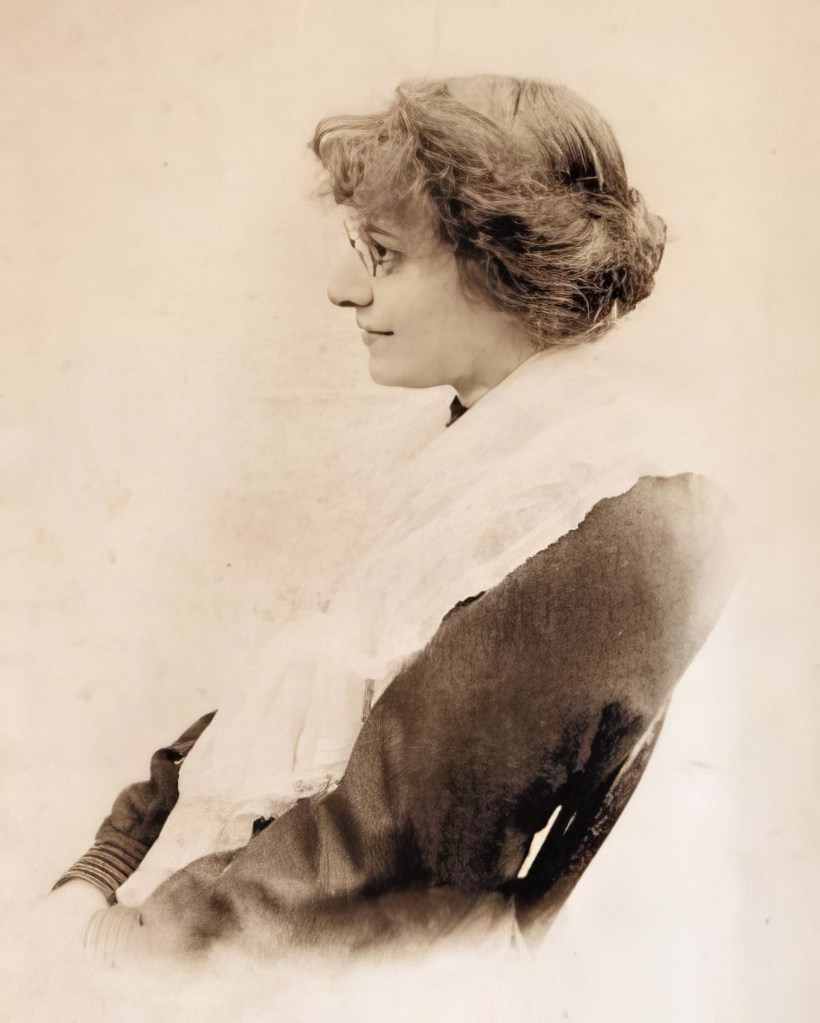
Eleanor Farjeon
The story of the song Morning Has Broken
With thanks to Nostalgic Memories
Before Cat Stevens ever sang a note of it, Morning Has Broken was a quiet offering from a woman who saw the sacred in the ordinary.
Eleanor Farjeon, born in 1881 London, grew up surrounded by music and poetry. Her words didn’t shout—they glowed. Through children’s books and gentle verse, she painted the world as magical, even when it wasn’t.
In 1931, she wrote a simple hymn about morning—its promise, its purity, its peace. Set to the lilting Scottish melody Bunessan, the piece whispered its way through English churches and classrooms, cherished but mostly unsung by the wider world.
Then, four decades later, the world finally listened.
In 1971, Cat Stevens found the hymn, and it moved him. With a soft voice and that unforgettable piano, he breathed new life into it. The song climbed charts, played in weddings, funerals, and morning radios—becoming a symbol of hope for millions.
But Eleanor had already been gone six years. She never knew the global life her words would take on. Never heard strangers sing her lines in different languages. Never saw children sway to the sunrise she once wrote.
She simply believed in the quiet holiness of a new day. And in the end, the world rose with her.
Not all legacies are loud.
Some begin like morning—soft, golden, and full of light.

Visit the takenote.ca HOME page for a colourful display of hundreds of other blogs which may interest or inspire you.
 Take Note - Reflections on life, music, politics, retirement and more by Ken Gray
Leave a comment