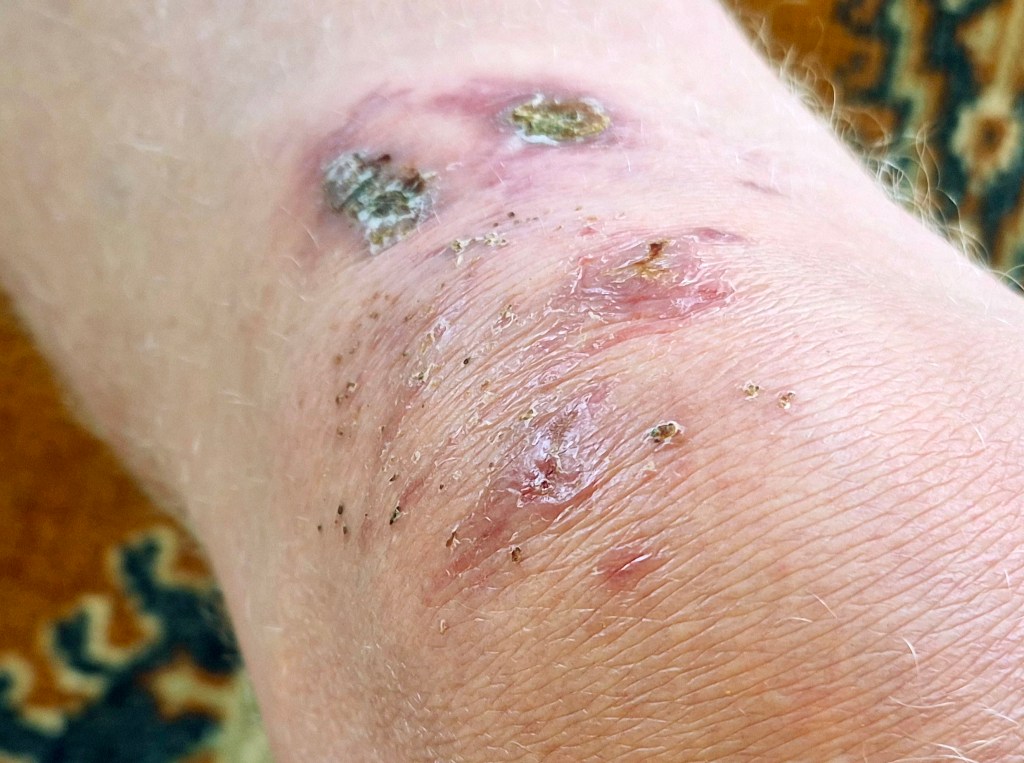
This blog is based on a TELUS Health Senior Care newsletter “Fall prevention for older adults: 7 tips to help prevent falls & injuries” – May 14, 2026 – Edited for length and detail. For the original publication click here.
[While I endorse the content of the TELUS guide the products named below are one of many health care brands now available. Readers should consult with medical professionals to determine the best products for your own needs. KJG]
Fall prevention requires more than just avoiding icy sidewalks. It’s about reducing risk in a practical, proactive way. In Canada, falls account for nearly 90% of all injury-related hospitalizations among older adults, with direct costs reaching $5.6 billion in 2018—roughly double that of the 25-64 age group. The challenges extend beyond the physical to the psychological, influencing not only how individuals move, but also how they think and behave. Fear of Falling (FOF), along with a broader Fear of Growing Older (FOGO), can lead to reduced activity, which in turn accelerates muscle loss and increases fall risk over time. At the same time, many families recognize the possibility of a fall but delay planning. This “Preparation Gap” reflects the disconnect between awareness and action.
It often sounds like: “We’ll deal with it if it happens.” But falls don’t announce themselves. They tend to occur during ordinary moments, in familiar places like a hallway or bathroom at home.
The encouraging part is that prevention can be highly effective, especially when multiple risk factors are addressed together. For every $1 spent on specialized falls prevention programs, an estimated $6 to $28 in healthcare costs can be saved.
“Falls are one of the most common and preventable causes of injury in older adults. From a primary care perspective, the most effective strategy is a multifactorial approach that addresses key modifiable risks (e.g., mobility, medications, home safety, etc.), rather than relying on any single intervention. Proactive changes across these domains can meaningfully reduce fall risk and help individuals maintain their independence.” — Dr. Ryan Wei, Family Physician
1. Clinical risk assessment
Healthcare providers can identify key risk factors through a clinical assessment. Always consult a qualified professional before making changes to your medication, exercise, diet, or supplement routine.
The 2025 NIA Ageing in Canada Survey found that 62% of older adults have made no modifications or plans to prepare for aging in place. A conversation with a healthcare provider about fall risk, paired with follow-up action, can meaningfully change that trajectory. Key domains to assess include:
- Medications: Ask a healthcare provider to review your prescriptions and their side effects. Polypharmacy (taking four or more daily medications) can potentially double the risk of recurrent falls.
- Gait Speed: Seniors who walk slower than 0.8 m/s can be at increased fall risk. Research shows they also benefit most from targeted home exercise programs
- Vision: Common age-related conditions such as cataracts, glaucoma, and macular degeneration impair depth perception and spatial awareness, making safe navigation more difficult.
- Hearing: Hearing loss reduces the ability to detect environmental cues, which can compromise balance and reaction time.
- Nutrition: Healthcare providers often recommend protein-rich meals and, depending on individual factors, Vitamin D supplementation to help support muscle mass and bone density.
- Comprehensive Medical Review: A full medical review, including physical examination and assessment of underlying health conditions, can help identify additional contributors to fall risk.
2. Home environment audits
A room-by-room audit helps reveal environmental hazards that can cause trips and falls. Essential upgrades, such as brighter LED lighting, bathroom grab bars, temperature control, and managing pet hazards, can significantly improve home safety.
Most fall hazards are hiding in plain sight. Move beyond a general checklist and conduct a specific, room-by-room audit that includes:
- Lighting Specs: Install bright LED bulbs and motion-activated night lights along the path to the bathroom, which is the most common site of nighttime falls.
- Bathroom Engineering: Secure well-anchored grab bars in the shower and beside the toilet.
- Thermal Control: Keep the home comfortably warm to prevent joint stiffness that can impair mobility.
- Pet Safety: Address “four-legged trip hazards” by attaching bells to small pet collars and using high-contrast pet beds so they are easily visible at a glance.
3. Targeted physical conditioning
Beyond just routine walking, targeted physical training is one of the most effective ways to reduce fall risk in older adults. Always consult a healthcare provider before beginning any new exercise program. Research suggests that meaningful risk reduction requires a cumulative total of at least 50 hours of strength and balance training and for at least 2 hours per week on an ongoing basis.
One of the most important reasons to prioritize this is Sarcopenia: the progressive, age-related loss of muscle mass that accelerates with inactivity. Sarcopenia doesn’t just weaken the body; it also impairs reflexes and micro-corrections the body makes to prevent a stumble from becoming a fall. Targeted strength and balance training is one of the most effective ways to slow this process. Canadian programs to know:
- STABL (Strength and Balance for Life): A structured, multi-level program designed specifically for Canadian seniors.
- SAIL (Stay Active and Independent for Life): A community-based program that supports long-term independence.
Evidence-based activities include:
- Tai Chi: Shown to reduce the risk of falls in older adults.
- Otago Exercise Program: Shown to reduce falls by 35% among high-risk older adults.
4. Behavioural awareness
Monitoring for behavioural changes is important for early fall prevention. Using furniture for balance, brushing off near-falls, or quietly avoiding certain activities can all be early signs of declining mobility.
Subtle behavioural shifts are often the earliest warning signs of increasing fall risk, and they can be easy to miss because they develop gradually. Caregivers and family members should watch for:
- “Furniture Walking”: A loved one who frequently relies on walls, countertops, or chair backs for support while moving through a room may be showing early signs of declining balance.
- Dismissed “Close Calls“: Near-misses chalked up to “I just lost my footing” are often not isolated flukes, but rather early warning signs of increasing fall risk.
- Activity Avoidance: Has a loved one quietly stopped using the stairs, avoided going out after dark, or declined walks on uneven ground? Withdrawal from previously routine activities may signal declining balance, mobility, or confidence in their own body.
- The “Don’t Rush” Rule: Rushing to answer a ringing phone or doorbell is a common cause of falls at home. Extend the number of rings on the landline, or switch to a cordless model kept within arm’s reach.
5. Footwear safety
Proper footwear and fitted clothing are vital for maintaining stability. Avoid loose garments that can snag on furniture, and utilize resources like RateMyTreads.com https://kite-uhn.com/rmt/en to select winter footwear with lab-tested grip.
What you wear matters as much as where you walk:
- Clothing Hazards: Long dressing gowns, loose slippers, and flared trousers can snag on furniture legs or catch underfoot. Opt for well-fitted, ankle-length clothing with secure closures.
- The Science of Grip: For Canadian winters, visit RateMyTreads.com, a resource developed by the KITE Research Institute at UHN, which provides independent, lab-tested ratings for winter boot traction.
6. Proactive technology
Modern safety technology, including wearable sensors and medical alert systems, provides a critical 24/7 safety net. These devices embody the Independence Paradox: rather than signaling a loss of autonomy, they are powerful tools that preserve a senior’s independence and confidence at home and on the go.
As we look toward 2026 technology standards, wearable sensors that monitor gait patterns and alert caregivers to “micro-stumbles” before a major fall occurs are increasingly being adopted. At the center of this proactive approach is the
7. Financial planning
Upgrading a home for fall prevention is an investment, and numerous Canadian resources can help offset the costs. Federal and provincial grants, loans, and tax credits are available to assist seniors in paying for essential safety modifications and accessible home adaptations.
The cost of home modifications shouldn’t be a barrier to safety. Here are some Canadian resources that may be helpful. Contact information, organized by province can be found in the original article here..
Fall prevention is not about a single change, but a multifactorial approach that combines clinical vigilance, physical activity, and home safety. By addressing modifiable risks proactively rather than waiting for a crisis, seniors can significantly reduce their risk of injury and maintain their independence longer.
Whether it is through targeted strength training, performing room-by-room audits, or adopting proactive technology like the TELUS Health Medical Alert system, taking these steps today creates a vital safety net.
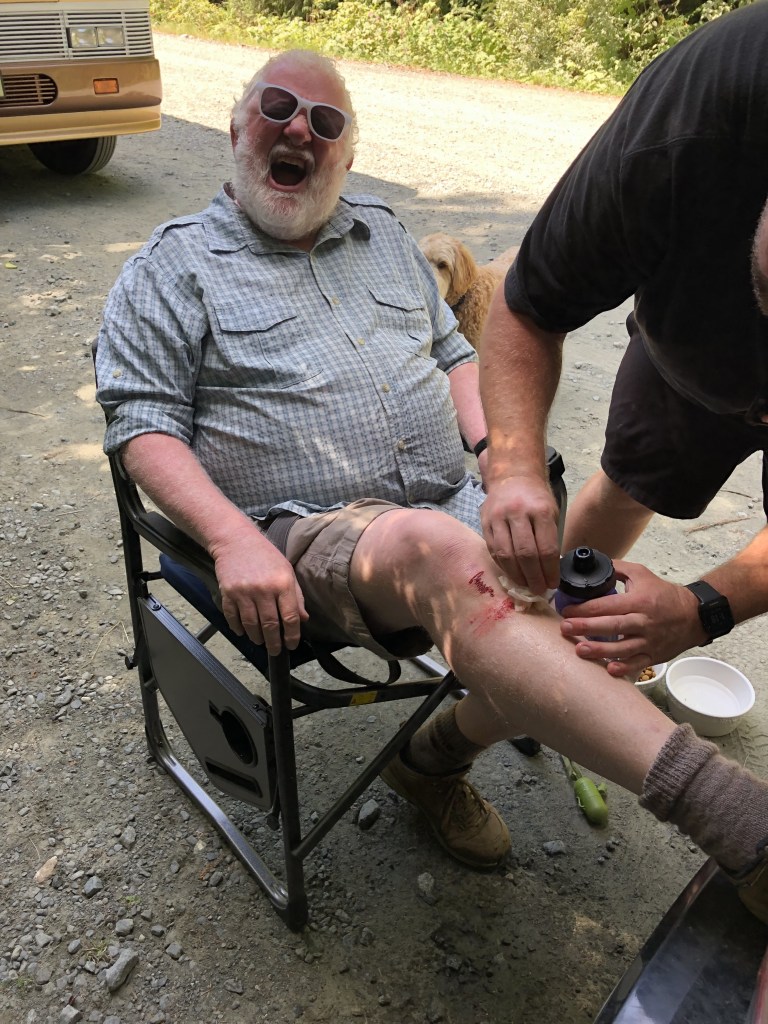
Catastrophic reenactment. No other visually challenged Anglican clergy were injured in the creation of this image.
Visit the takenote.ca HOME page for a colourful display of hundreds of other blogs which may interest or inspire you


Hi Ken,
Yes, this is what we all have to look forward to unless we take steps to mitigate. You do know, of course, that we offer Tai Chi at the Centre? 😉
Cheers, Susan
LikeLike
Thanks (I think) for showing
LikeLike
Ouch!!! (Thanks for this useful post 🙂 )
LikeLike
One advantage of being short. Less distance to fall. Ha ha. K
LikeLiked by 1 person