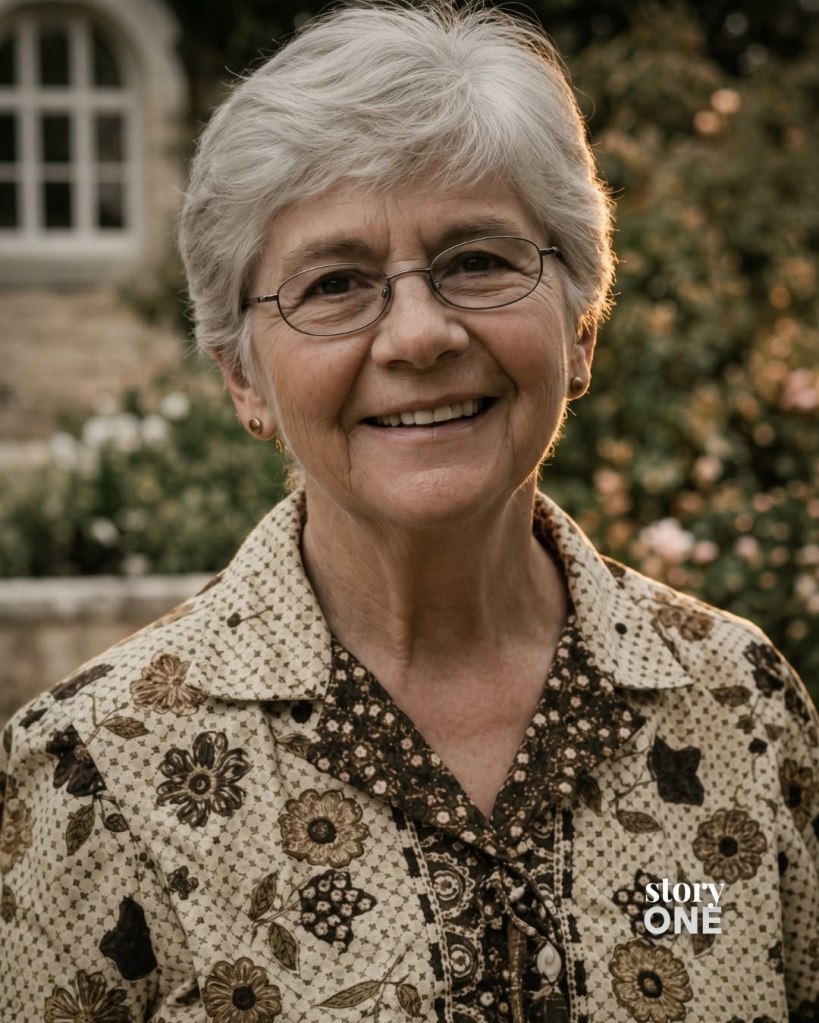
With thanks to Fr. Michael Lapsley, himself no stranger to violence and suffering, who shared Dorothy’s story this past week on Facebook. I have never heard this story, but others have. She deserveS beatification if not sainthood. Such an inspiration to us all. KJG
When the gunmen asked the 73-year-old nun if she was carrying a weapon, Dorothy Stang calmly reached into her bag. What she pulled out was the last thing the men sent to kill her expected to see.
Dorothy Stang had never looked dangerous.
She was born in 1931 on a farm in Ohio, one of nine children raised in a home where faith, work, and service shaped everyday life. At seventeen, she joined the Sisters of Notre Dame. For the next fifteen years, she taught elementary school in small American communities.
It was a quiet life.
Then, at thirty-five, Dorothy left it behind.
In 1966, she traveled to Brazil as a missionary. She would spend almost four decades there, eventually becoming one of the most persistent defenders of poor farmers and the Amazon rainforest.
The world she entered was unlike anything she had known in Ohio.
Across parts of the Amazon, poor settlers and Indigenous communities were caught between powerful ranchers, illegal logging operations, land speculators, and a government that often failed to protect them. Forest could be cleared overnight. Families could be driven from land they had worked for years.
Sometimes those who resisted simply disappeared.
Dorothy stayed.
She learned Portuguese. She studied Brazilian land laws. She traveled into remote settlements where families lived without electricity, clean water, schools, or legal protection.
People began calling her Sister Dorothy.
Others called her Dora.
Some eventually called her the Angel of the Amazon.
But Dorothy was never interested in becoming a symbol. She wanted practical change.
She helped farmers organize so they could defend their land through legal channels. She helped build schools in places where children had little chance of receiving an education. She taught adults to read so they could understand documents, contracts, and the rights they possessed under Brazilian law.
She also promoted farming methods that allowed families to earn a living without destroying the forest around them.
Year after year, the results began to show.
Children entered classrooms instead of dangerous labor. Families who had lived with almost nothing began earning steady incomes. Communities that had once been easy to intimidate learned how to organize and defend themselves.
That made Dorothy increasingly dangerous to the men who profited from their weakness.
The ranchers did not fear her because she carried a weapon.
They feared her because people listened to her.
In 2000, when Dorothy was sixty-nine, she moved deeper into Pará state and began working around Anapu, one of the most violent regions in Brazil’s long-running struggle over land.
Most people think about slowing down at sixty-nine.
Dorothy moved closer to the conflict.
She documented illegal land seizures, threats, killings, and intimidation. She collected names. She reported what she knew to authorities. She helped poor families establish sustainable farming communities on land they were legally entitled to use.
Within a few years, some of those communities were beginning to prosper.
Homes improved. Children stayed in school. Families bought vehicles. Fields produced income without requiring the surrounding forest to be burned away.
The ranchers noticed.
So did the gunmen who worked for them.
By the early 2000s, threats against Dorothy had become impossible to ignore. Messages reached her warning that she would be killed. According to reports, a price was placed on her life.
Friends urged her to leave.
Dorothy refused.
She said she could not abandon farmers who had even less protection than she did. They had a right, she believed, to build lives of dignity without destroying the land beneath them.
She knew exactly what staying might cost.
On February 6, 2005, Dorothy met with human rights officials and spoke about the growing threats against farmers around Anapu. She identified people she believed were involved.
Six days later, she set out for another meeting.
The morning of February 12 was wet and muddy. Dorothy was walking along an isolated road near the Boa Esperança settlement when two armed men approached her.
Their names were Clodoaldo Carlos Batista and Rayfran das Neves Sales.
They had not come to talk.
A local farmer named Cícero had been trying to catch up with Dorothy. When he saw the men near her, he hid among the trees.
From there, he witnessed the final moments of her life.
The gunmen stopped Dorothy and demanded to know whether she was carrying a weapon.
Dorothy reached into her bag.
The men watched her hand.
She pulled out a Bible.
Then she opened it.
Standing on a muddy road in the Amazon, facing men who had been sent to kill her, Dorothy began reading from the Beatitudes in the Gospel of Matthew.
Words about the poor.
Words about those who mourn.
Words about those who hunger and thirst for justice.
Then Rayfran raised his revolver.
The first bullet struck Dorothy in the abdomen.
She fell into the mud.
He continued firing.
By the time the gunman stopped, Dorothy Stang had been shot six times.
She was seventy-three years old.
The woman who had survived years of threats, defended poor farmers, built schools, challenged powerful landowners, and fought to protect the rainforest died on the road she had spent years walking among the people she served.
The killers fled.
They believed they had silenced her.
Instead, her voice became louder.
News of Dorothy’s murder spread quickly across Brazil and then around the world. Her death became a symbol of the violence surrounding land disputes in the Amazon and placed enormous pressure on the Brazilian government.
Within days, President Luiz Inácio Lula da Silva announced new measures to protect large areas of rainforest near the region where Dorothy had worked.
The investigation into her murder also moved forward with unusual intensity.
Rayfran admitted that he had fired the shots.
Over years of trials and appeals, several men connected to the killing were convicted, including ranchers accused of arranging Dorothy’s murder.
Her brother David repeatedly traveled to Brazil to attend the proceedings.
Justice, however, did not bring an end to the conflict Dorothy had spent her life confronting.
Farmers and environmental activists continued to be threatened and killed across Pará. Other sisters remained in the region, continuing the work Dorothy had begun.
Near her grave, seedlings were raised and planted.
Forests began growing again.
Years passed, but Dorothy’s name stayed alive.
In 2021, researchers formally described a species of screech owl from the Amazon and gave it a scientific name honoring Sister Dorothy Stang.
It was a fitting memorial.
A voice in the forest she had died trying to protect.
Twenty years after her murder, in January 2025, relics connected to Dorothy were placed in Rome’s Shrine of the New Martyrs, recognizing her among Christians remembered for dying because of their faith and service.
But perhaps the most powerful tribute came much earlier.
As Dorothy’s body was brought into Anapu after the killing, people gathered along the streets.
They began shouting the same words again and again.
“Sister Dorothy lives forever.”
The woman who later helped identify her body remembered something strange.
Dorothy’s clothes were covered with mud and blood.
Her face, she said, seemed unusually peaceful.
Almost as though she were smiling.
Dorothy had lived for years knowing that someone might eventually come for her. She knew there was a price on her head. She knew powerful people wanted her gone.
Still, when two armed men finally stood in front of her and asked whether she had a weapon, she did not reach for a gun.
She reached for a Bible.
Then she read aloud about the poor, the grieving, and those who hunger for justice.
The bullets ended Dorothy Stang’s life on February 12, 2005.
They did not end the work she had started.
Visit the takenote.ca HOME page for a colourful display of hundreds of other blogs which may interest or inspire you


Thanks for posting this story of a brave and well meaning woman of faith who only did was was right for others. The work she was doing needs to be continued as the land of Brazil remains under threat, the people in danger just because they live in forests attempting to survive. Brazil’s wilderness is still the source of oxygen to the world. Will the rich and infamous of that country ever stand up for peace and justice?…Art
LikeLike